
Marie Sallé (1707-1756) was one of the most outstanding dancers of her time. Famous for her expressiveness, she contributed to the birth of ballet d’action. If you want to know more about her life, keep reading this article.
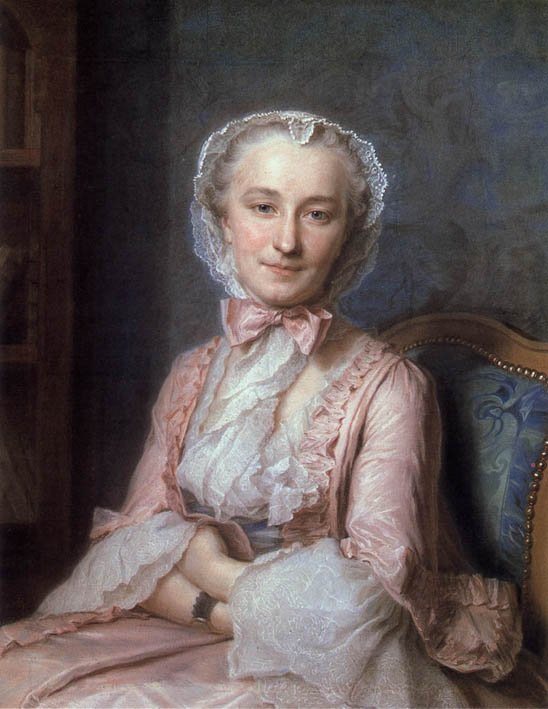
Table of Contents
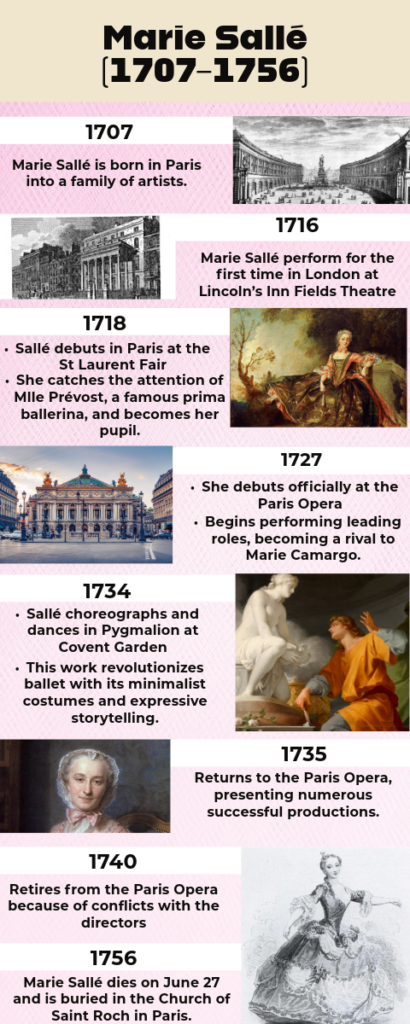
Marie Sallé’s Early Life
Marie Sallé was born in 1707 in Paris to a family of artists. Her father was an acrobat and her uncle was the famous harlequin Francisque Moylin or Molin (both spellings are found). He had created an artistic troupe with members of his extended family. So, Marie and her older brother Francis grew up in the theatre.
As a result, Marie Salle learned all the tricks of the trade at an early age. So, she was particularly well trained in the art of dramatisation, so essential to fairground shows. With her older brother, Sallé made her first recorded appearance in London – not in Paris, but at John Rich’s Lincoln’s Inn Fields theatre on 18 October 1716. This was supposed to be their only performance in England. However, they were so successful that manager John Rich decided to have them perform again.
Marie Sallé Debut in Paris
The following year, in 1718, Marie finally appeared in Paris, at the St Laurent Fair, in La Princesse de Carisme. There she soon caught the attention of the prima ballerina of the Paris Opera, Mlle Prévost. She was an excellent dancer, mime and great teacher. It was around this time that Marie Sallé would become her pupil. Another of Prévost’s pupils was the virtuoso Marie Camargo. Prévost likely taught Sallé her own famous masterpiece, Les Caractéres de la Danse, which she danced during her second season in London in 1725.
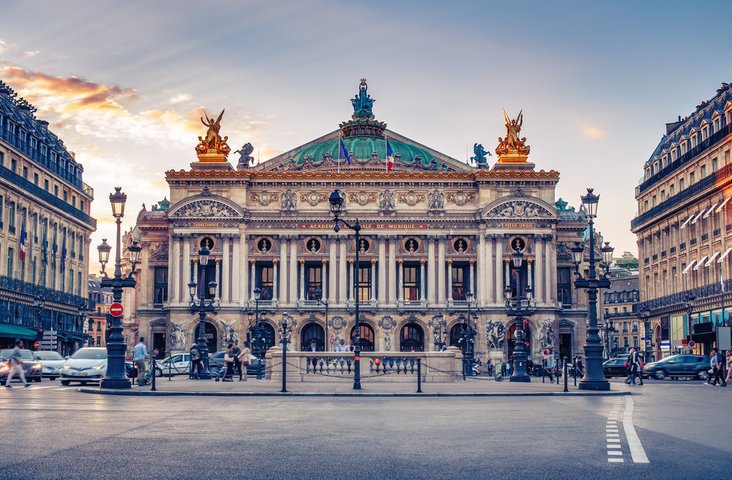
In late 1727, Sallé left her brother in England to return to France, where she made her official debut at the Paris Opera in Jean-Joseph Mouret’s Les Amours des Dieux. She soon appeared in leading roles alongside Prévost and Camargo. But Sallé never felt at home at the Académie Royale de Musique, which rigidly produced sumptuous, meaningless pieces and was a quagmire of intrigue. Her expressive style of dancing made her a rival to Mlle Camargo and the precursor to Noverre and his action ballets.
Pygmalion: Pioneering of Ballet d’action
Over the next few years, Sallé alternated her performances between Paris and London. She was a highly intelligent woman and her friends included illustrious figures. For example, Voltaire, the choreographer Jean-Georges Noverre and the actor David Garrick. On the other hand, thanks to her experience dancing in London, she had the opportunity to become acquainted with the works of John Weaver, known as the father of English Pantomime. So, this British choreographer had an important influence on Sallé’s work.
As her fame grew, she became her own choreographer. So, she put into practice Weaver’s ideas that every emotion, mood and action can be expressed in dance. Her innovative reforms were manifold. She consciously developed the themes of her ballets through the logical and sensitive. Sallé made a blend of music, gestures and quality of dance, as well as through appropriate costumes and scenery. Thanks to her ideas, ballet ceased to be a purely decorative entertainment. It began to be regarded as an art form as eloquent as theatre.
Pygmalion’s premiere
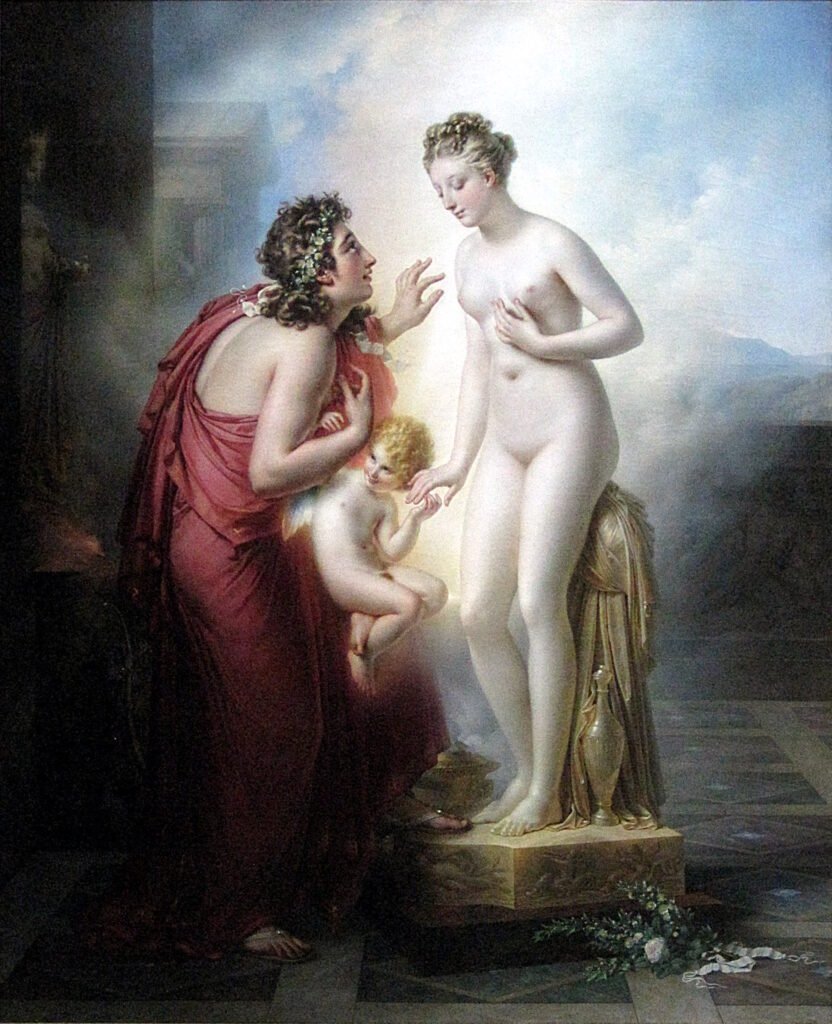
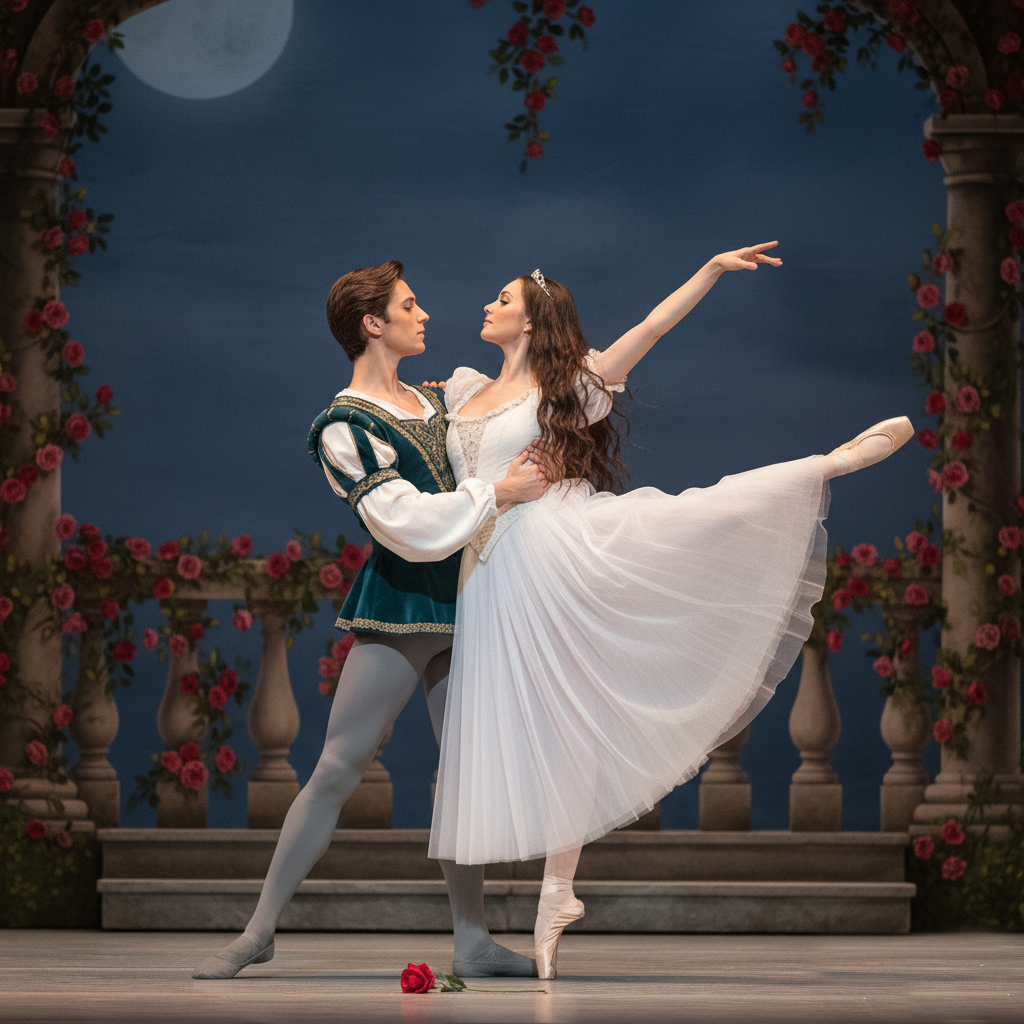
Sallé was a dance reformer and had the opportunity to demonstrate the validity of her ideas in London in 1734. On 17 February of that year, she presented the successful work Pygmalion at Covent Garden. She acted as a choreographer and dancer, playing the role of Galatea. This ballet tells the story of a Greek sculptor who falls in love with the statue he has created of a beautiful woman, Galatea. To represent a Greek statue, Salle got rid of the old, bulky pannier dress. So, she appeared instead in a simple white cotton dress, flat slippers, no mask, no jewellery and with her long hair loose and flowing over her shoulders. This was revolutionary for the time. A few weeks later, on 26 March, she also presented another of her most successful works, Bacchus and Ariane, at Covent Garden. These works were precursors to Noverre’s ballet d’action.
The Rivalry with Camargo
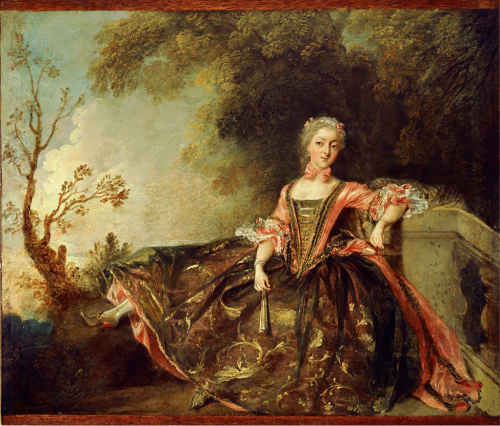
The rivalry with Camargo began shortly after Sallé’s debut at the Paris Opera. Both dancers were brilliant but with totally different styles. Marie Anne de Cupis de Camargo (1710-1770) possessed a remarkable ballon. Besides, she could perform steps that until then had been performed only by men. To show off her virtuoso feet, she shortened her skirts and lowered the heels of her shoes so that the rhythms were easier to execute.
In contrast, Sallé did not possess Camargo’s technical virtuosity, but she did master the art of speaking through dance. Marie Salle was also a singer at the Paris Opera. This activity was also important for the development of her expressiveness in dance.
Their personalities were also very different. Marie Salle was much quieter and less showy. While Camargo’s dancing style was lively and extravagant, Salle’s was more elegant and expressive. Also, Camargo adored the attention of her male lovers. While Salle was more modest and apparently rejected any lover who approached her.
Sallé’s name has remained inextricably associated with that of her colleague Camargo. Both dancers exemplified two important aspects of classical ballet: elevation and expression. Voltaire compared them in an article published in the French Gazette le Mercure (January 1732). Here, he summed up the fanatical, divided public’s opinion: “Ah! Camargo, how brilliant you are, but, great gods, how dazzling is Sallé… You leap like nymphs, but she dances like graces.” On the other hand, Sallé was the choreographer Noverre’s favourite ballerina.
Marie Sallé’s Later Years
Sallé returned to dance at the Paris Opera in 1735. There she presented several operas with great success. But she retired in 1740, because of clashes with the directors. However, Sallé continued to dance outside the Opera, appearing in many divertissements and court ballets. The reformer Jean-Georges Noverre, who visited her frequently, agreed with her precepts. Noverre wrote about her:
Mlle. Sallé, a most graceful and expressive dancer, delighted the public. . . . She no longer appeared at the Opéra in 1745, the period when I began to attend the performances there; but I often visited her at her home. Although she had left the stage she practiced every day. I was enchanted with her dancing. She was possessed of neither the brilliancy nor the technique common to dancing nowadays, but she replaced that showiness by simple and touching graces; free from affectation, its features were refined, expressive, and intelligent. Her voluptuous dancing displayed both. delicacy and lightness; she did not stir the heart by leaps and bounds.
Finally, Marie Sallé died on June 27, 1756 and was buried in the church of Saint Roch in Paris. People appreciated her as a dancer for her naturalness, grace, and lack of affectation. People knew her as a woman for her intelligence and virtue.
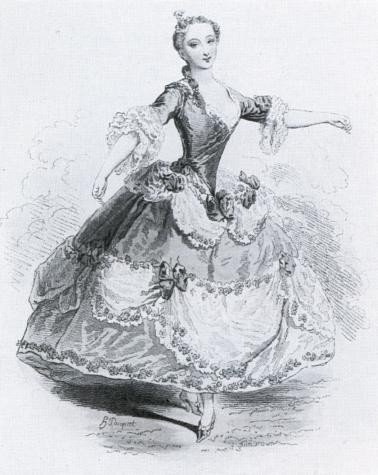
Marie Sallé: Life and Career Timeline
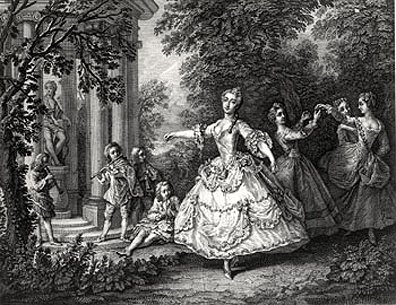
FAQs
What was Marie Sallé known for?
Marie Salle was famous for her grace and expressiveness. She learned the art of speaking through dance from the English harlequins. Besides, the English choreographer John Weaver, father of English Pantomime, influenced her a lot.
What did Marie Sallé do that Camargo did not?
Although Sallé did not possess Camargo’s technical virtuosity, she possessed more eloquent expression, gesture and step. The French choreographer Georges Noverre praised Mlle Sallé for replacing the “tinsel glitter” of early ballets with “simple and touching graces.” Her physiognomy was noble, sensitive and expressive.
Who choreographed Pygmalion?
Marie Sallé choreographed Pygmalion in 1734. Also, she played Galatea, the leading female role.


Leave a Reply