
Ballet history, culture, and inspiration.
Category: Synopsis and Tickets
-
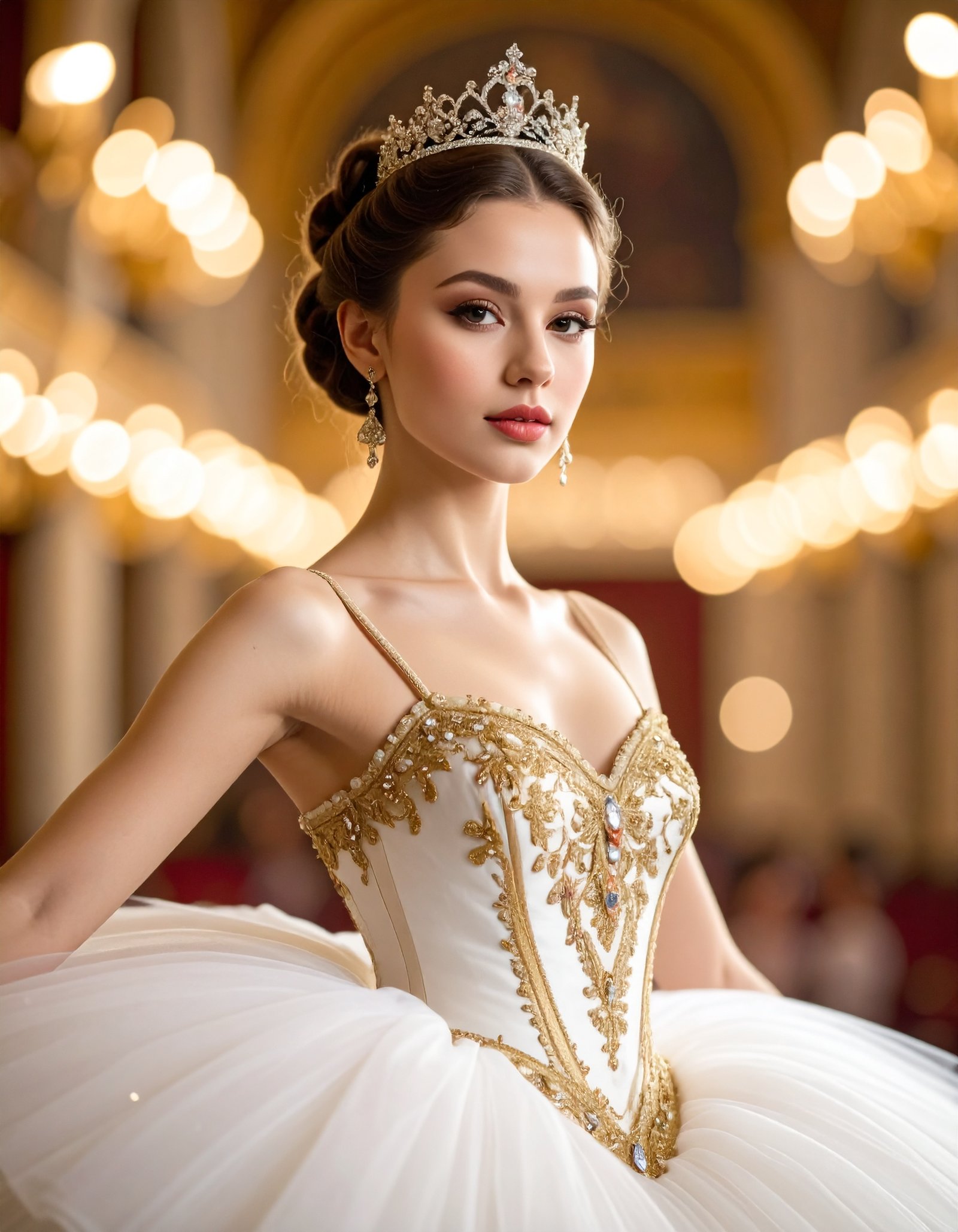
Raymonda Ballet: History, Plot and Famous Versions Explained
Raymonda stands as a dazzling late 19th-century ballet. First performed in 1898 at the Mariinsky Theatre in St. Petersburg, it represents the last great work of the legendary choreographer Marius Petipa, in collaboration with the composer Alexander Glazunov. The ballet consists of three acts and four scenes, set in medieval Hungary during the Crusades. Raymonda
-
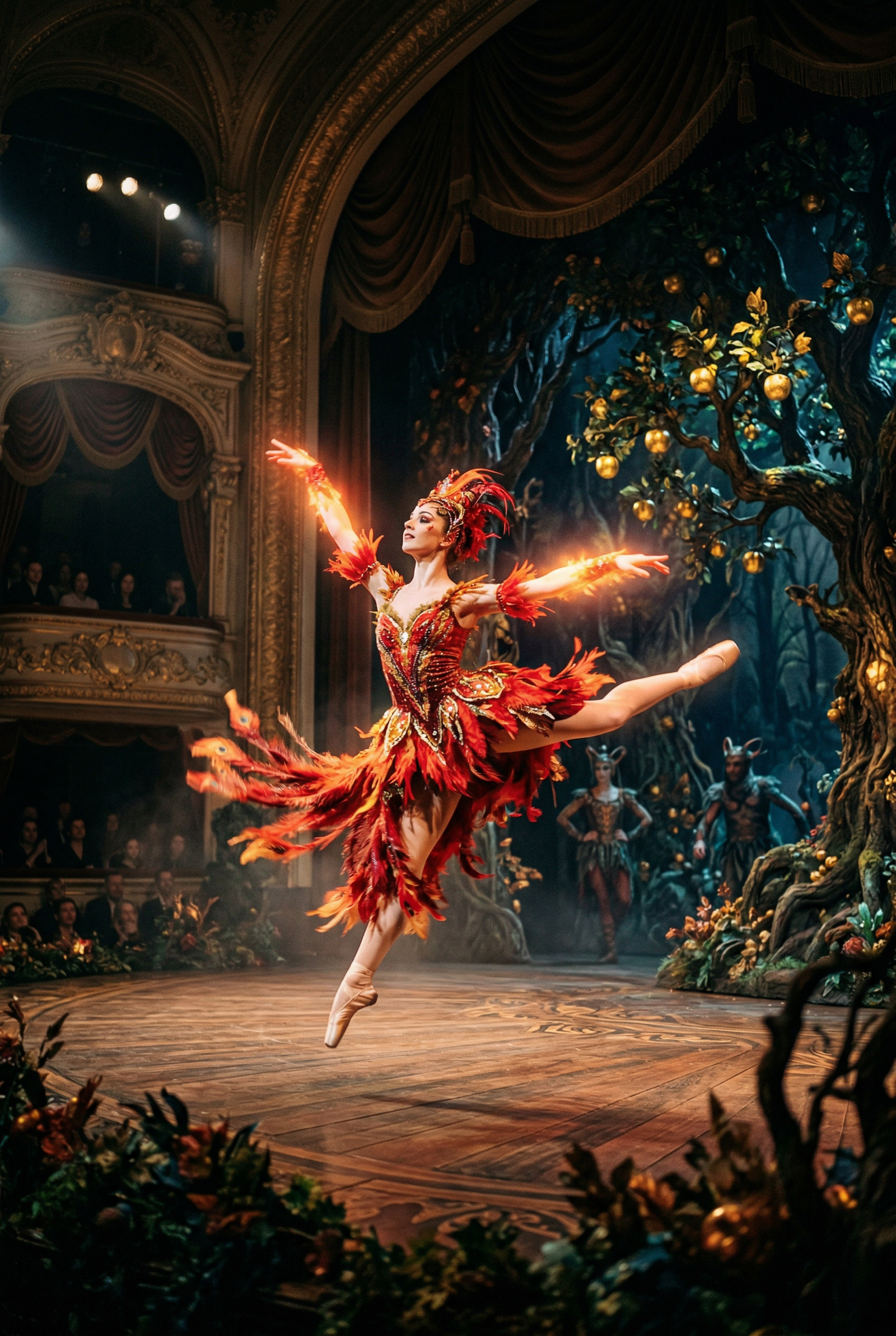
The Firebird Ballet: Plot, Premiere, and Lasting Legacy
The Firebird Ballet is one of the most important ballets of the 20th century. Known in French as “L’Oiseau de Feu” and in Russian as “Zhar-ptitsa”, it is a fundamental work of modern dance that premiered on June 25, 1910, at the Théâtre National de l’Opéra in Paris. Performed by Sergei Diaghilev’s Ballets Russes, it
-

Cinderella Ballet: A Timeless Tale of Love
The origins of the Cinderella Ballet are found in the fairy tale written by the Italian Giambattista Basile La Gatta Cenerentola published in 1634 within the Il Pentamerone collection. Charles Perrault (Paris, 1628-1703) adapted this version in 1697, which, along with the story of Sleeping Beauty, is one of the eight stories collected in his
-
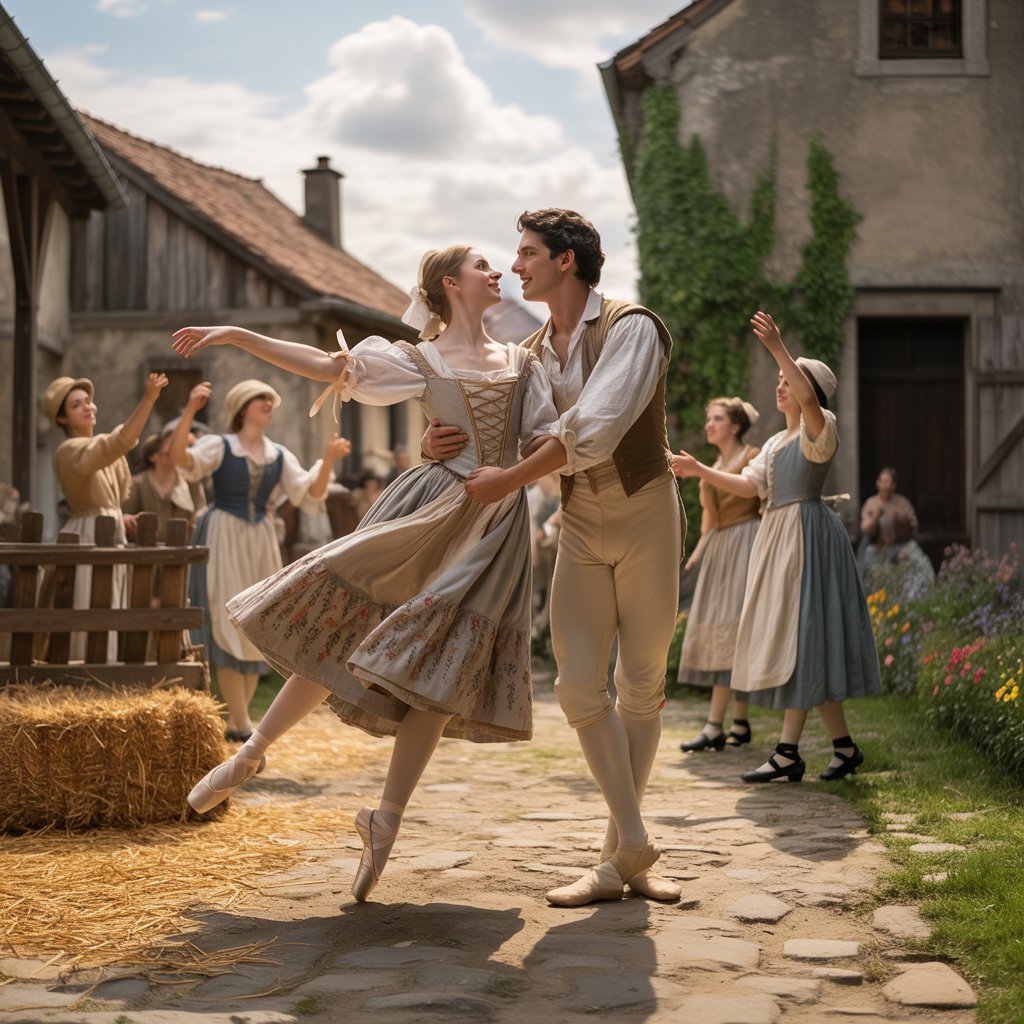
La Fille Mal Gardée: History, Plot, and Key Versions
La Fille Mal Gardée is often translated as “The Poorly Guarded Daughter” or “The Unchaperoned Daughter.” Along with “The Whims of Cupid and the Ballet Master” (1786, by Vincenzo Galeotti), it is one of the few surviving 18th-century ballets, although in a very different form from its original premiere in 1789. Choreographed by Jean Dauberval
-
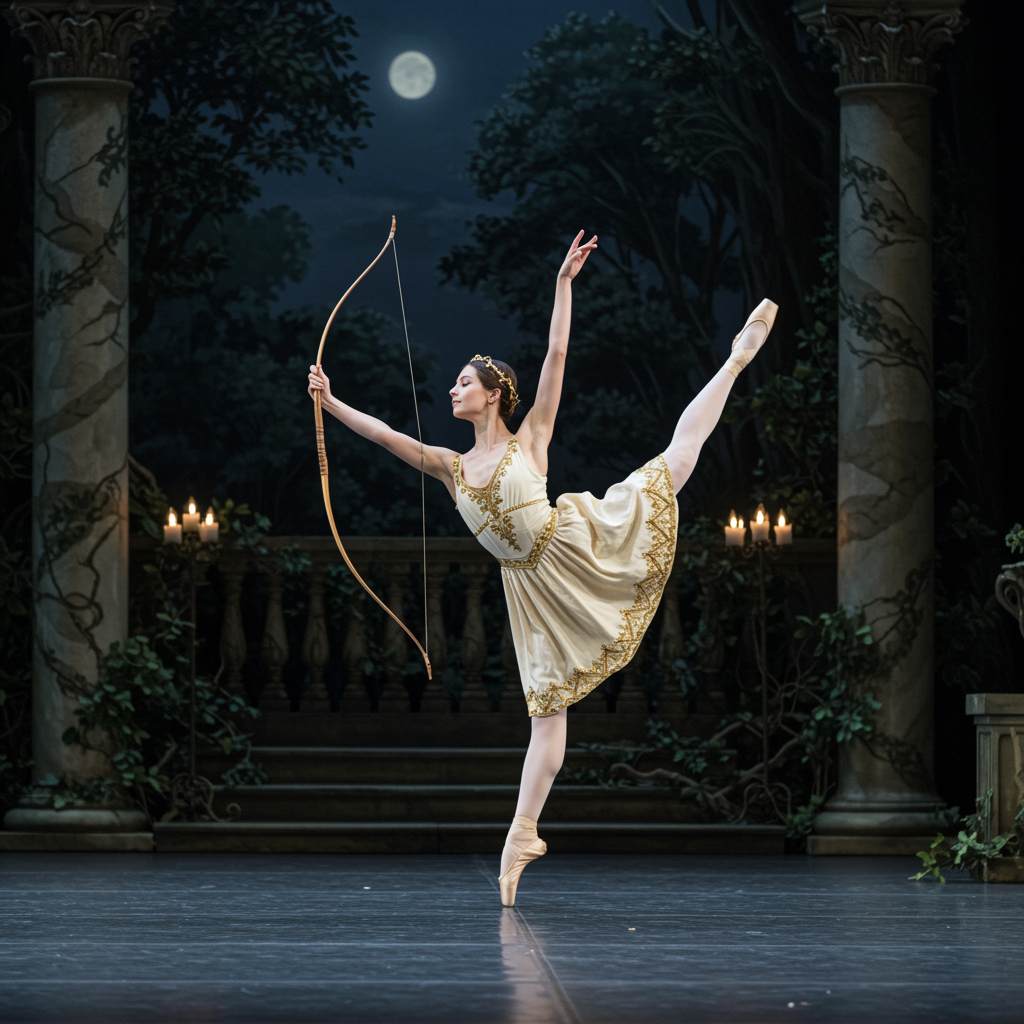
Sylvia Ballet: The Definitive Guide to Delibes’ Classic
The ballet Sylvia, also known as “Sylvia ou la Nymphe de Diane,” is a fundamental work in the history of classical ballet, fusing mythology, romance, and heroism. This ballet was created in 1876 for the Paris Opera, with choreography by Louis Mérante and a brilliant score by Léo Delibes. Sylvia, originally presented in three acts,
-
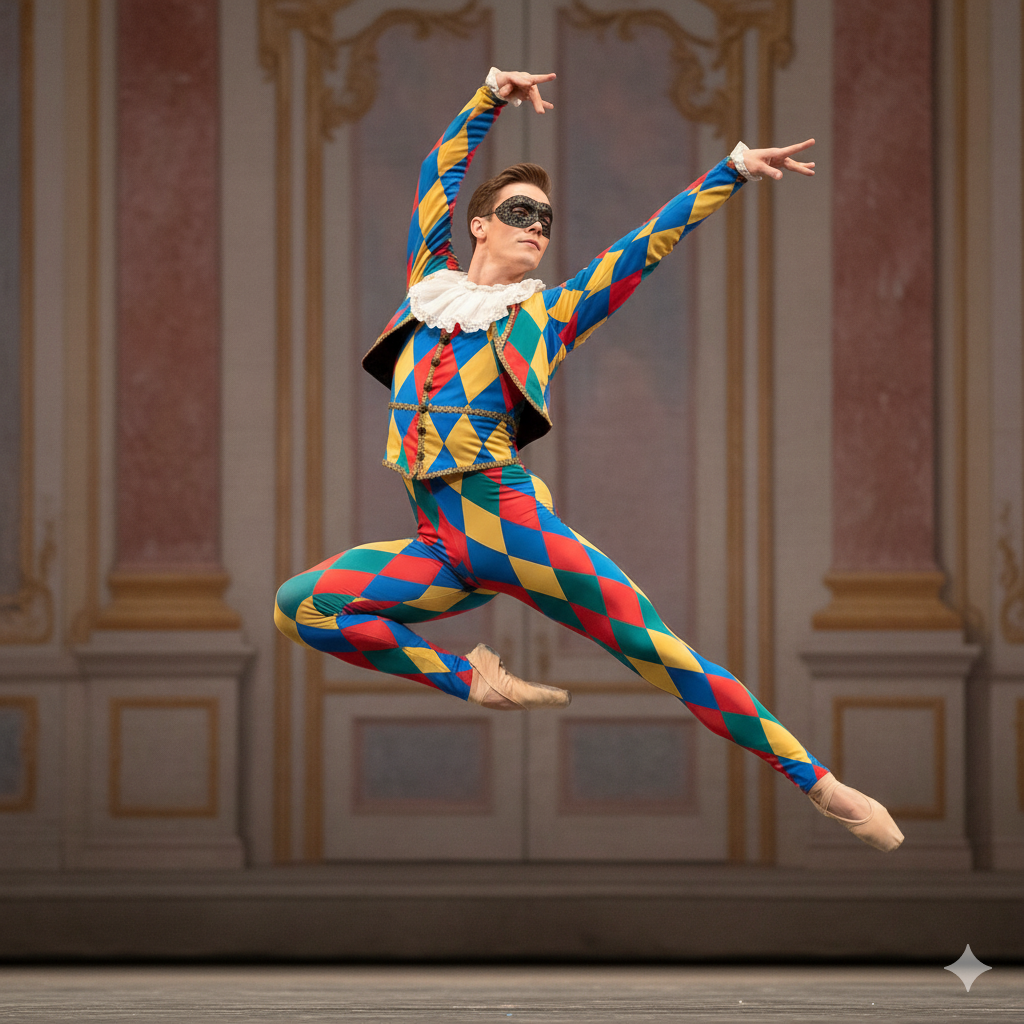
Harlequinade Ballet: Plot, Characters, and Famous Versions
The Harlequinade Ballet draws inspiration from the colourful world of the commedia dell’arte (a genre of Italian origin) to create a story of love, mischief, and magic. Originally choreographed by the legendary Marius Petipa in 1900 under the title Les Millions d’Arlequin, it has evolved through various interpretations over the decades. In this article, we’ll
-
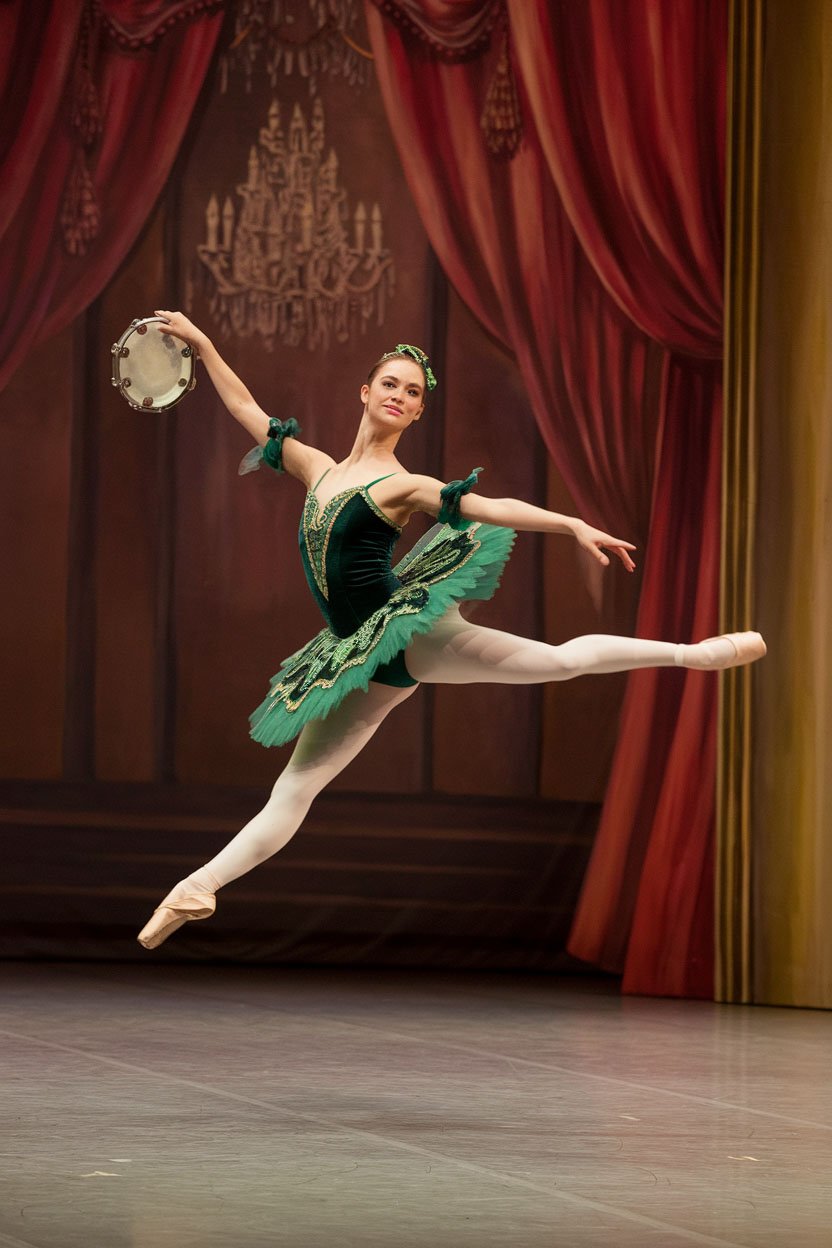
La Esmeralda Ballet: A Romantic Masterpiece
La Esmeralda Ballet is a fascinating and romantic ballet inspired by Victor Hugo’s book “Notre Dame de Paris” (1831). Without a doubt, it is Jules Perrot’s masterpiece as a choreographer. If you want to know more about the history and plot of this ballet, continue reading the article. Key Facts about La Esmeralda Ballet The
-
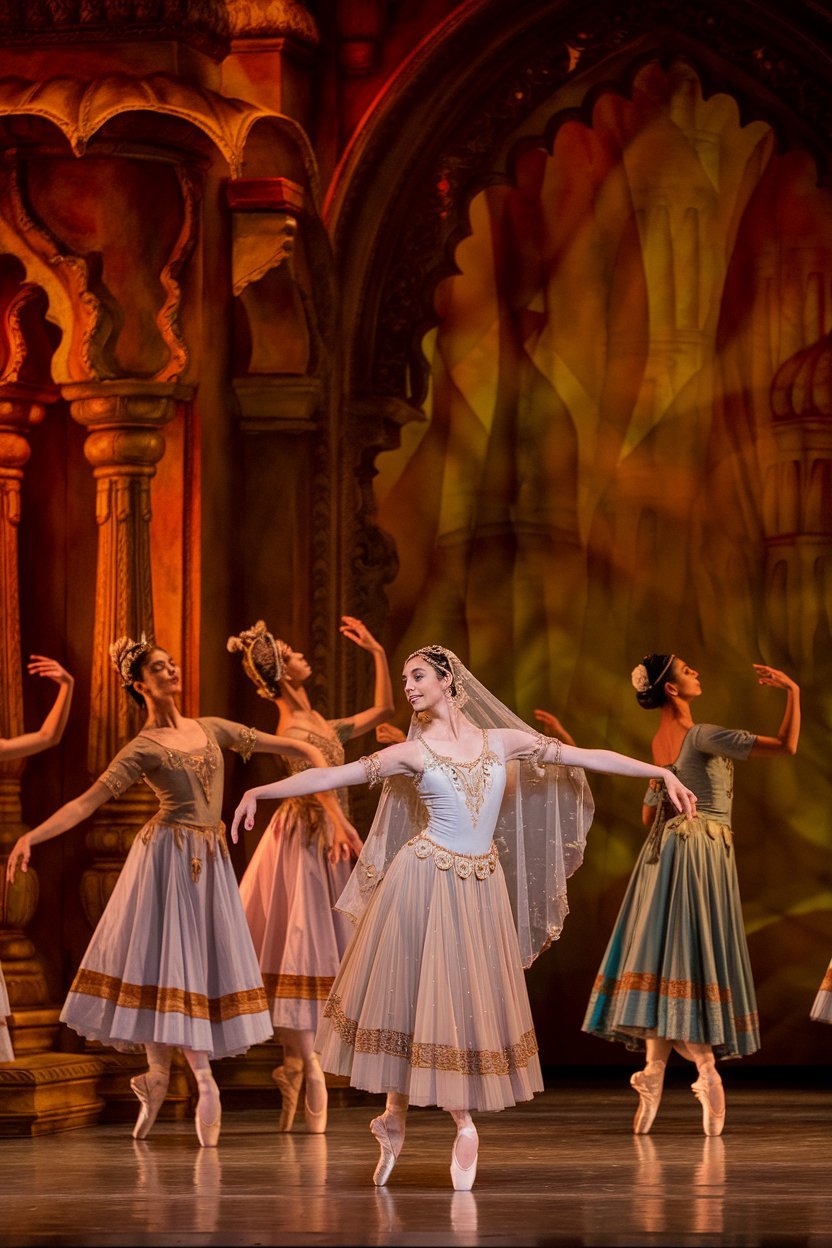
La Bayadere Ballet: Story, History & Performances
La Bayadere is a gem of classical ballet. It transports us to exotic India with a gripping plot of love and betrayal. Created by legendary choreographer Marius Petipa and set to music by the talented Ludwig Minkus, this masterpiece has become a mainstay in the repertoire of ballet companies worldwide. La Bayadère tells the story
-
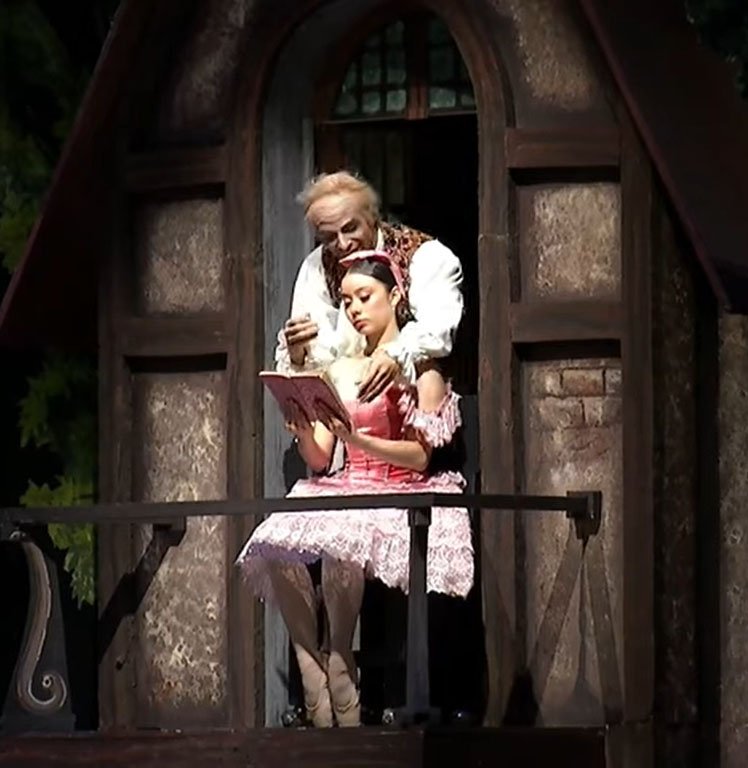
Coppelia Ballet: The Great Ballet Comedy
Coppelia Ballet is a comic and sentimental ballet based on a tale by Ernest Theodor Amadeus Hoffmann. The story is about Dr. Coppelius, who creates a life-size dancing doll that the villagers become obsessed with. Franz falls in love with her to the point of abandoning her real love, Swanilda. Also, character dance and pantomime
-
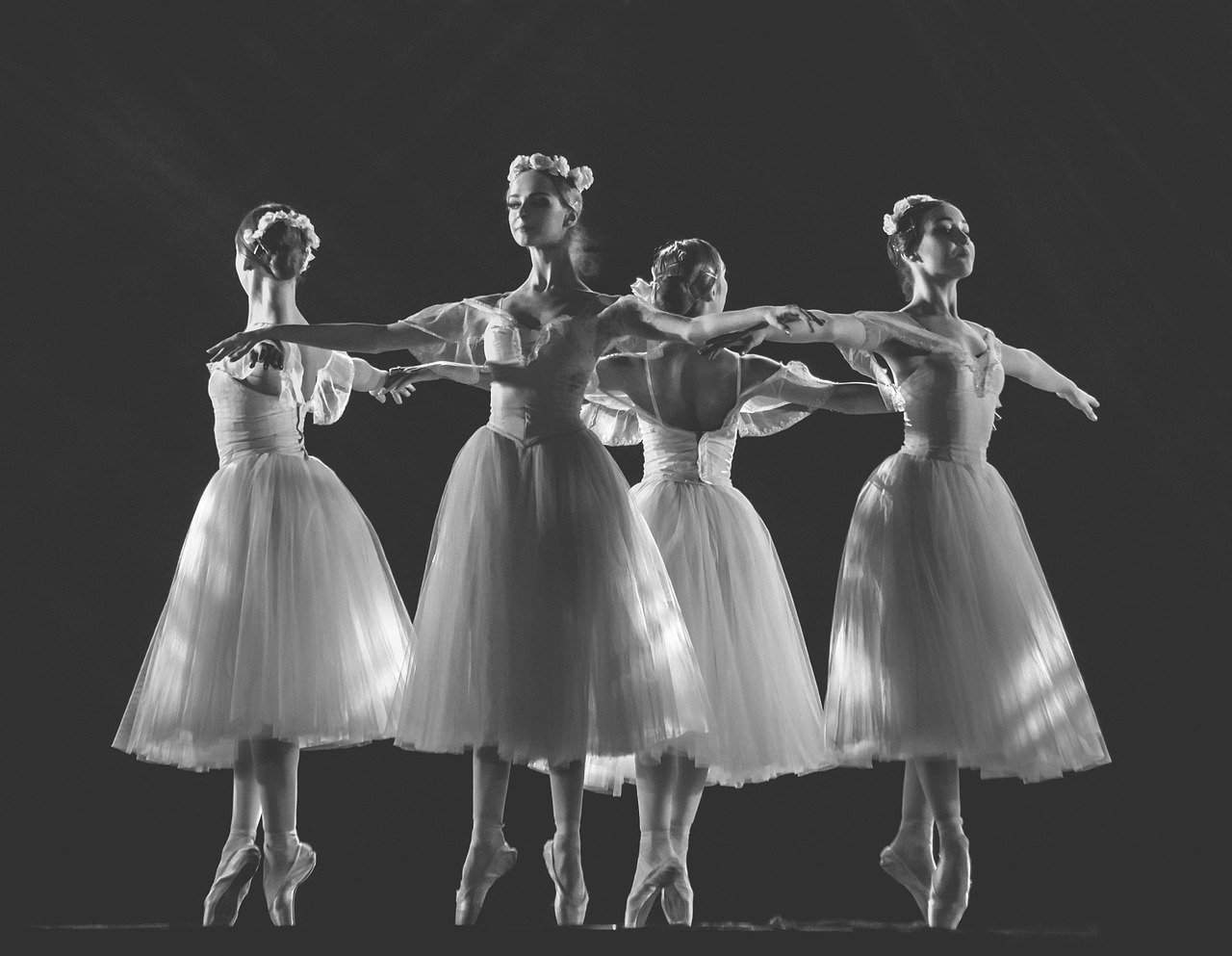
Giselle Ballet: The Perfect Romantic Ballet
Giselle Ballet: the mythical image that represents this ballet is the long white tutu. Ballet historian Cyril Beaumont said that the role of Giselle meant to a dancer what the role of Hamlet meant to an actor. This is because the changing and complex emotions of the characters are a fundamental aspect of the plot.